SUBSTANCE ABUSE TREATMENT PROGRAM IN Grand Rapids

Who We Are

LaForges Addiction Therapy helps individuals struggling with addiction to drugs, alcohol, and anger take meaningful steps toward lasting change. Through The Winds of Change program, we focus on emotional growth, accountability, and learning from past experiences to support healthier decisions moving forward. We provide clear guidance and steady support for individuals and families facing difficult situations, helping them move toward stability, clarity, and a more balanced life. Our approach is designed to address both immediate challenges and the deeper patterns that contribute to ongoing struggles. By offering a supportive and structured path forward, we help individuals regain control and begin rebuilding their lives with purpose.
Our Programs
Inpatient Treatment

Inpatient treatment provides a structured, residential setting for individuals who need focused support away from daily triggers and stressors. This level of care emphasizes stability, routine, and continuous guidance to help individuals build a strong foundation for recovery.

Medical Detox

Medical detox supports individuals who need help safely managing withdrawal symptoms under professional supervision. The focus is on comfort, monitoring, and stabilization while preparing individuals for the next phase of treatment and ongoing recovery.

Individual Therapy

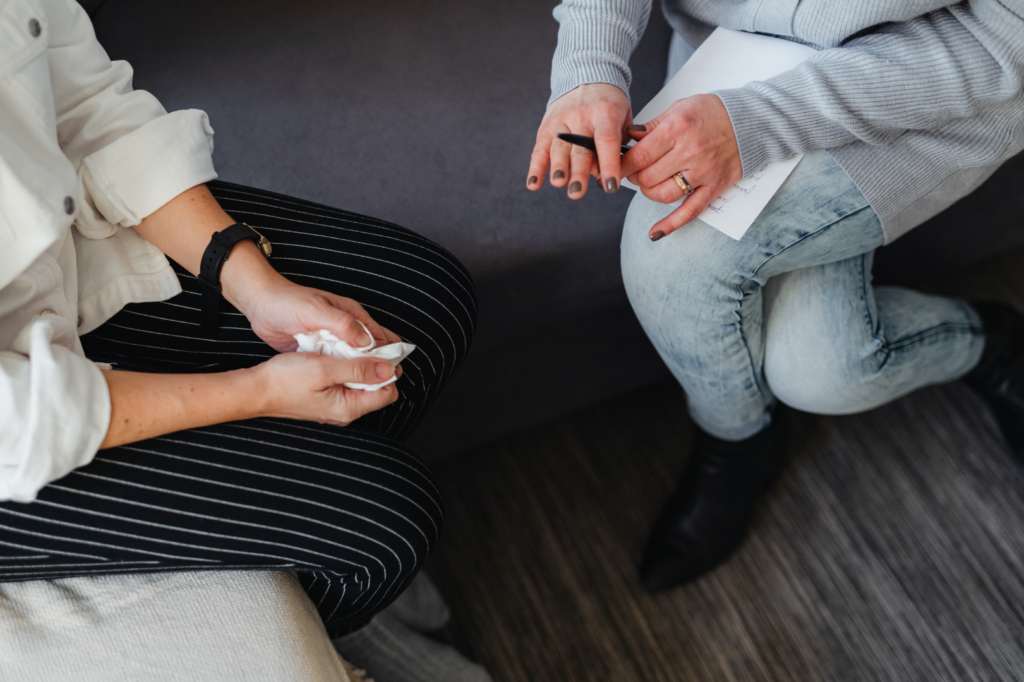
Individual therapy focuses on identifying personal patterns, emotional challenges, and behaviors that contribute to addiction and related struggles. Sessions emphasize self awareness, accountability, and practical skill development to support healthier decision making and long term change.

Group Therapy

Group therapy offers a guided setting where individuals can learn from shared experiences and develop stronger communication and coping skills. These sessions promote accountability, connection, and practical insight through structured group interaction.

We Accept Most Major Insurance Providers

What Are You Seeking Treatment For?

Grand Rapids

Grand Rapids is a city in and the county seat of Kent County, Michigan, United States. It is the second-most populous city in Michigan, with a population of 198,917 at the 2020 census (estimated at 200,117 in 2024). The Grand Rapids metropolitan area, with over 1.18 million residents, is the 49th-largest metropolitan area in the U.S. Grand Rapids is situated along the Grand River approximately 25 miles east of Lake Michigan and is the economic and cultural hub of West Michigan. According to the U.S. Census Bureau, the city has a total area of approximately 45 square miles.

Originally inhabited by the Hopewell and later Odawa people, the area was settled by European Americans in the early 19th century and incorporated in 1850. Grand Rapids gained prominence in the late 19th century as the “Furniture City” due to its thriving furniture manufacturing industry, a legacy that continues to influence the region’s industrial profile. The furniture industry drew waves of immigrant workers, particularly from the Netherlands, Germany, and Poland, giving the city a strong Dutch Reformed and Catholic cultural character that persists today.

Its economy is diversified, encompassing healthcare, education, manufacturing, and technology, with major employers such as Corewell Health, Meijer, and Steelcase anchoring its economic landscape. Headquartered in Grand Rapids, Corewell Health (formerly Spectrum Health) is West Michigan’s largest employer, with over 60,000 staff and 11,500 physicians in 2023. Corewell Health’s Meijer Heart Center, Lemmen-Holton Cancer Pavilion, and Butterworth Hospital, a level I trauma center, are on the Grand Rapids Medical Mile, which has world-class facilities that focus on the health sciences.

The largest Grand Rapids racial/ethnic groups are White (57.5%), followed by Black (17.4%) and Hispanic (16.1%). The median household income in Grand Rapids is $50,103.

Grand Rapids operates under a weak-mayor system. Grand Rapids has a weak-mayor system where the mayor serves alongside six city commissioners, though the mayor presides over commission meetings and can serve as a tie-breaking vote. The current mayor is David LaGrand, who was sworn into office on January 1, 2025. LaGrand defeated challenger Senita Lenear in a landslide, racking up 69% of the vote. LaGrand served as a state representative between 2015 and 2023 after winning a special election for the 75th District seat. LaGrand also previously served on the Grand Rapids City Commission and Grand Rapids Public School Board.

Culturally, Grand Rapids is home to several museums, including the Grand Rapids Art Museum and Grand Rapids Public Museum. The city also hosts the annual ArtPrize, an international art competition, and the Frederik Meijer Gardens & Sculpture Park, a premier horticultural and artistic destination. As a result of the numerous craft breweries in the city, including Founders Brewing Company, Grand Rapids is also known as “Beer City USA.” Grand Rapids tied Asheville, North Carolina in 2012 in being named “Beer City USA” in an online poll, winning the title outright in 2013 and eventually having over 100 breweries and cider makers located in the region.

Heritage Hill, a neighborhood directly east of downtown, is one of the largest urban historic districts in the country. The first “neighborhood” of Grand Rapids, its 1,300 homes date from 1848 and represent more than 60 architectural styles. Of particular significance is the Meyer May House, a Prairie-style home Frank Lloyd Wright designed in 1908.

Grand Rapids was the childhood home of U.S. President Gerald Ford, who is buried with his wife Betty on the grounds of the Gerald R. Ford Presidential Museum. Other notable people associated with Grand Rapids include Frank Knox, U.S. Secretary of the Navy and 1936 vice presidential candidate; H. Wayne Huizenga, entrepreneur; and L. William Seidman, economist and financial commentator. Chris Van Allsburg, the author and illustrator of The Polar Express and Jumanji, is also a Grand Rapids resident.

Major educational institutions in the region include Grand Valley State University, Calvin University, Aquinas College, Davenport University, and Grand Rapids Community College, in addition to medical schools affiliated with Michigan State University and Ferris State University on the Medical Mile.


City of Grand Rapids

Attribute Details
Country United States
State Michigan
County Kent (seat)
Incorporated April 2, 1850
Nicknames “Furniture City,” “Beer City USA,” “River City”
Government Type Weak Mayor–City Commission
Mayor David LaGrand (since January 1, 2025)
Total Area ~45 sq mi
Population (2020) 198,917
Population Density ~4,420/sq mi
Rank (Michigan) 2nd
Metro Population ~1.18 million
Median Household Income $50,103
Primary ZIP Codes 49501–49546
Website https://www.grandrapidsmi.gov

List of Zip Codes for Grand Rapids

  • 49503, 49504, 49505, 49506, 49507, 49508, 49509, 49512, 49519, 49525, 49534, 49544, 49546, 49548

Frequently Asked Questions

Inpatient rehab is residential, providing 24/7 supervision, daily therapy, and medical care on-site—ideal for moderate to severe addictions or complex medical/mental health needs. Outpatient rehab lets you live at home and attend scheduled sessions; it works well for milder cases, strong support systems, or as a step-down after inpatient.
For many people, inpatient rehab provides the structure needed to break free from the triggers of everyday life. Once stabilized, patients often transition into outpatient programs for continued support. This phased approach allows for a smoother and more sustainable recovery.

Many programs run 28–30 days, with extended options of 60–90 days based on clinical need, progress, and insurance. Longer stays can improve stabilization, skill development, and relapse-prevention planning—your assessment guides the recommended duration.
Some patients may benefit from extended programs that last several months. Longer treatment allows more time for behavioral change and therapy reinforcement. The right duration depends on the individual’s progress and readiness to return to daily life.

Most commercial plans and some public programs offer coverage for substance use treatment, including inpatient care, though benefits vary. Admissions teams can verify benefits, estimate out-of-pocket costs, and coordinate preauthorizations to minimize financial surprises.
Always check with your insurance provider to confirm which services are included. Many centers offer payment assistance or financing for those without coverage. Accessibility ensures that anyone seeking help can begin recovery without financial barriers.

Alcohol detox begins with medical evaluation, followed by a tailored protocol to manage withdrawal safely using monitoring, hydration, nutrition, and approved medications when indicated. Care teams track vitals and symptoms, treat complications promptly, and transition you into ongoing therapy once stable.
The detox process typically lasts a few days to a week, depending on the severity of alcohol dependence. With proper medical support, patients can avoid serious withdrawal risks. Detox is the vital first step before entering a comprehensive rehab program.

Look for licensed medical oversight, 24/7 monitoring, evidence-based protocols, rapid transition to rehab, and positive independent reviews. Verify insurance, ask about average length of stay, and confirm aftercare planning so detox is the first step in a full recovery plan.
Local Detox Center Near Me options often offer consultations to help match patients to suitable programs. Comparing multiple centers ensures you find one that aligns with your needs and comfort. Quality care during detox increases the likelihood of lasting sobriety.